
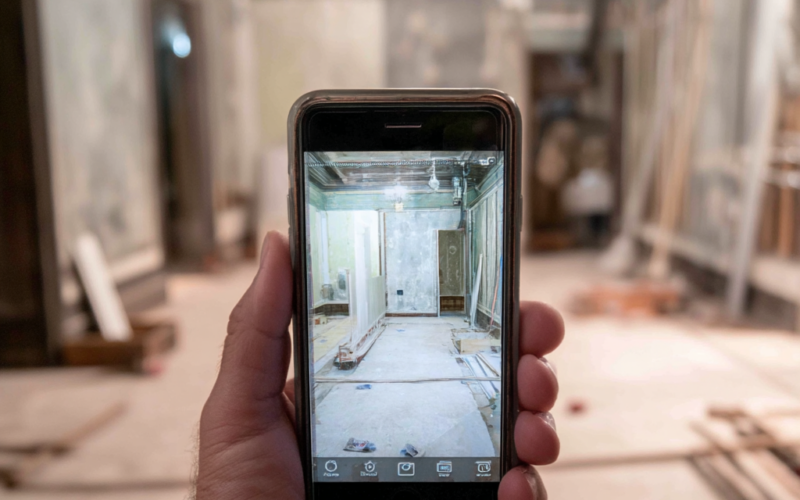
When people sell a home, they usually focus on visible advantages: location, size, layout, natural light, garden space, new kitchen, modern bathroom or fresh paint. These details still matter. But buyers are becoming more careful. They no longer want only beautiful photos and a short description. They want proof that the home has been maintained properly.
This is why digital renovation history is becoming an important argument in real estate sales. A digital renovation history is a structured record of repairs, upgrades, inspections, invoices, warranties, permits and photos connected to the property. Instead of saying, “The roof was repaired a few years ago,” the seller can show when it was repaired, who did the work, what materials were used and whether any warranty remains.
For buyers, this reduces uncertainty. For sellers, it creates trust and can support a stronger asking price.
From Verbal Promises to Documented Proof
In many home sales, renovation information is informal. The owner remembers that the boiler was replaced, the windows were upgraded or the wiring was checked, but exact dates and documents may be missing. Buyers then have to decide whether they believe the seller.
Digital records change this. If the seller has organized documents, photos and receipts, the home becomes easier to evaluate. The buyer can see the property’s maintenance story instead of guessing it.
This is especially important for older homes. A recently renovated old house can be attractive, but buyers often worry about hidden problems. Was the renovation cosmetic or structural? Were old pipes replaced? Was insulation improved? Was dampness treated properly? A digital renovation history helps answer these questions before they become objections.
What a Digital Renovation History Includes
A useful digital history is not just a folder with random files. It should be easy to understand and connected to the main parts of the home.
It may include:
- dates of major repairs and upgrades;
- invoices from contractors;
- before-and-after photos;
- warranty documents;
- inspection reports;
- building permits where required;
- energy efficiency certificates;
- manuals for heating, ventilation or smart home systems;
- records of roof, plumbing, electrical and structural work;
- notes about materials, brands and service intervals.
The most valuable records are those that prove expensive or safety-related work. A receipt for new paint is helpful, but documentation for electrical upgrades, heating systems, roof repairs, drainage work or foundation improvements is much more important.
Why Buyers Care More Than Before
Modern buyers are more informed. Many compare properties online, read inspection checklists and calculate renovation costs before making an offer. They also know that a home can look good while hiding expensive problems.
A digital renovation history gives buyers a clearer picture of future costs. If the heating system was replaced recently and has documents, the buyer may feel more secure. If the roof has a known repair history and warranty, the buyer may see less risk. If electrical work was done by a qualified contractor, the buyer may be less afraid of safety issues.
This does not mean buyers will ignore an independent inspection. But good documentation can make the inspection process smoother and reduce suspicion.
A Stronger Position in Price Negotiations
When a buyer finds uncertainty, they often use it to negotiate. Missing documents can become a reason to lower the price. The buyer may say that they need a discount because they do not know the condition of the roof, wiring, boiler or insulation.
A seller with a digital renovation history has a better response. Instead of relying on general statements, the seller can provide evidence. This can reduce the buyer’s ability to exaggerate possible risks.
For example, if a buyer claims the heating system may need replacement soon, the seller can show that it was installed three years ago, serviced annually and still covered by warranty. That does not automatically increase the sale price, but it supports the seller’s position.
Digital Records and Legal Protection
Renovation documentation can also reduce legal conflicts after the sale. Real estate transactions often lead to disputes when buyers later discover problems and believe the seller hid information.
A clear digital record shows what the seller knew and disclosed. If there were repairs, inspections or known issues, the documents help demonstrate transparency. This can protect both sides. The buyer receives more information before purchase, and the seller can show that important details were not intentionally concealed.
Of course, digital records do not replace legal disclosure duties. Sellers still need to follow local rules and be honest about defects. But organized documentation makes compliance easier.
The Role of Smart Home and Maintenance Apps
Digital renovation history is becoming easier to create because homeowners now use apps for home maintenance, energy monitoring, smart devices and contractor communication. Some platforms allow owners to store documents, track repairs and set reminders for service dates.
Smart home systems also create new types of property information. Heating usage, solar panel performance, energy consumption, leak detection alerts and security system maintenance can all become part of the property’s digital profile.
This creates a new question for real estate sales: should a home be sold only with keys and paper documents, or also with a digital maintenance record? Increasingly, the second option looks more professional.
Risks and Privacy Concerns
A digital renovation history must be useful, but it must also be controlled. Sellers should avoid sharing unnecessary personal data. Invoices may contain phone numbers, bank details, signatures or private notes. Smart home records may reveal daily routines or occupancy patterns.
Before sharing documents with potential buyers, sellers should review them carefully. Sensitive personal information can be removed while keeping the technical value of the record. The goal is to prove the condition of the property, not to expose private data.
There is also a risk of inaccurate or incomplete records. A poorly organized digital folder can confuse buyers. If documents contradict each other or important permits are missing, the history may create more questions than answers. Sellers should prepare the record before listing the home, not during final negotiations.
Why Real Estate Agents Should Pay Attention
For real estate agents, digital renovation history can become a marketing advantage. A listing supported by clear maintenance records looks more trustworthy. Agents can use this information to answer buyer questions faster and reduce uncertainty during negotiations.
It can also help separate serious improvements from cosmetic staging. Fresh furniture and professional photos attract attention, but documented renovation history builds confidence. In a competitive market, trust can be as valuable as visual appeal.
Agents who encourage homeowners to keep digital records may also improve long-term client relationships. A homeowner who starts organizing documents years before selling will be better prepared when the time comes.
Conclusion
Digital renovation history is becoming a new argument when selling a home because buyers want evidence, not only promises. A well-documented property feels safer, more transparent and easier to evaluate. It helps buyers understand what has been repaired, what may need attention and how much risk they are taking.
For sellers, the benefit is clear. Organized records can support the asking price, reduce negotiation pressure and protect against future disputes. For buyers, they offer a more honest view of the home’s condition.
The future of real estate sales will not depend only on beautiful listings. It will also depend on documented trust. A home with a clear digital renovation history tells a stronger story: not just how it looks today, but how carefully it has been cared for over time.